APPLY FOR A PROFESSIONAL ACCOUNT
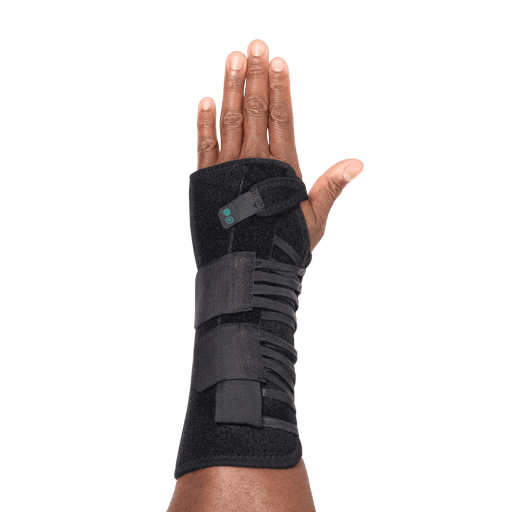
HCPCS Code L3908
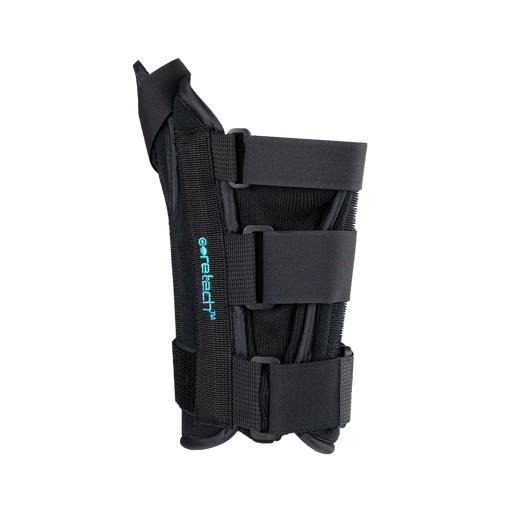
Product Description The Coretech Quick Lace Wrist Brace is a prefabricated wrist-hand orthosis designed to provide reliable stabilization and exten...
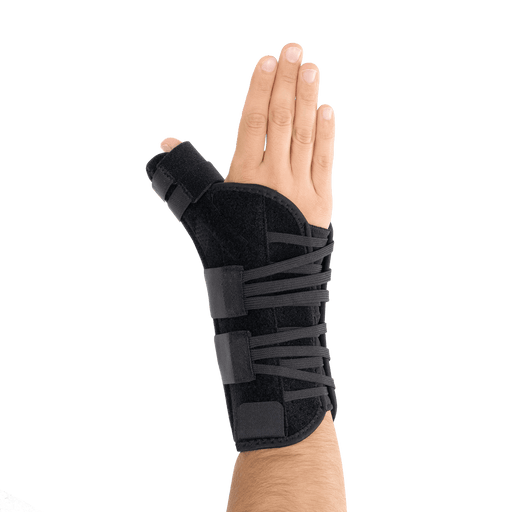
View full detailsHCPCS Code L3807, L3809
Product Description The Coretech Quick Lace Thumb Brace is a wrist and thumb brace that provides wrist support and thumb stabilization with an adju...
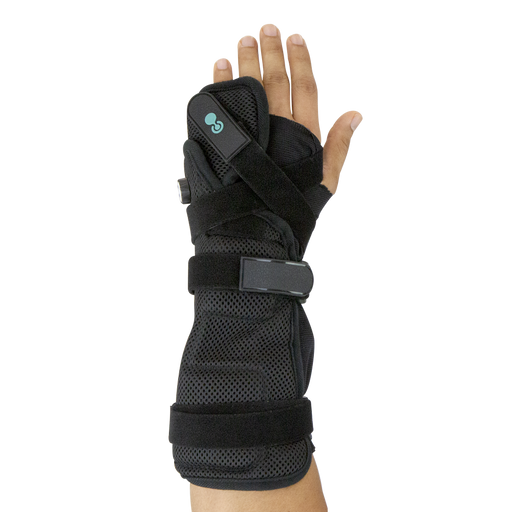
View full detailsHCPCS Code L3915, L3916
Product Description The Coretech 916 Wrist Brace provides compression and support during the healing process of common wrist injuries, alleviating ...
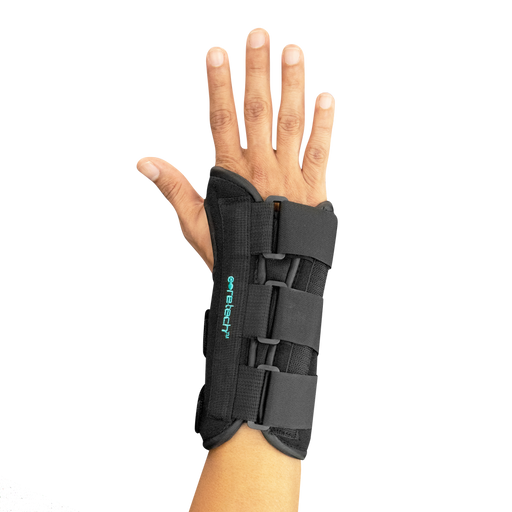
View full detailsHCPCS Code L3908
Product Description The Coretech 908 Wrist Splint provides stabilizing support with therapeutic compression to effectively relieve pain and inflamm...
View full detailsHCPCS Code L3807, L3809
Product Description The Coretech 807 Thumb Splint provides pain-relieving support for sprains, strains, and scaphoid injuries. Immobilizes the thum...
View full detailsThe Hand and Wrist collection includes professional orthopedic bracing and support solutions used by healthcare professionals, DME providers, orthopedic clinics, podiatry practices, chiropractors, surgeons and rehab teams. This collection is built around products that support patient mobility, controlled stabilization, protected recovery and day-to-day compliance after injury, surgery or chronic musculoskeletal conditions.
Products may support patients with carpal tunnel syndrome, wrist sprains, thumb CMC irritation, De Quervain’s tenosynovitis, post-injury wrist support, tendon irritation, mild instability or post-operative hand and wrist protocols. These products may be used during conservative treatment, post-operative protocols, acute injury management, functional bracing, protected ambulation or longer-term support for chronic pain and instability. Common search terms for this category include wrist brace, wrist splint, thumb brace, thumb spica brace, hand orthosis, carpal tunnel brace, De Quervain brace, upper extremity orthosis and provider wrist support.
This category includes thumb braces and wrist braces used for immobilization, functional support, compression, joint positioning and symptom management. Product selection should consider anatomy, diagnosis, desired plane of control, immobilization level, patient activity level, adjustability, donning/doffing needs and documentation requirements.
For provider workflows, the right brace can support consistent fitting, patient education, inventory standardization and payer documentation. When HCPCS coding applies, confirm the exact product configuration, prefabricated versus custom-fit status, medical necessity, diagnosis and payer-specific policy before billing.
Orthopedists, podiatrists, spine specialists, surgeons, DME suppliers, chiropractors, therapists and clinical staff may use these products for bracing, fitting and patient support.
Match the brace to the diagnosis, body region, required stability, stage of recovery, patient anatomy and provider protocol.