APPLY FOR A PROFESSIONAL ACCOUNT
HCPCS Code L3908
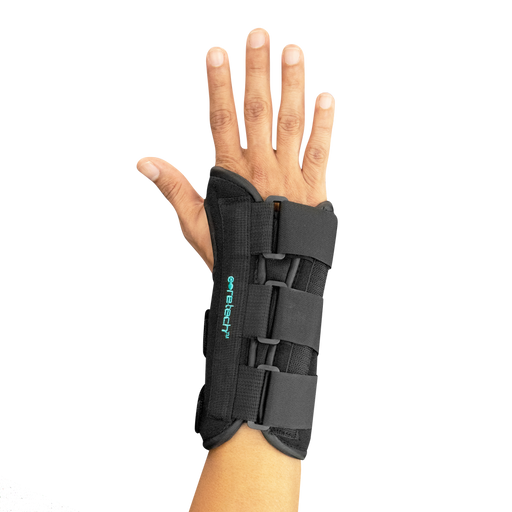
Product Description The Coretech 908 Wrist Splint provides stabilizing support with therapeutic compression to effectively relieve pain and inflamm...
View full detailsHCPCS Code L3915, L3916
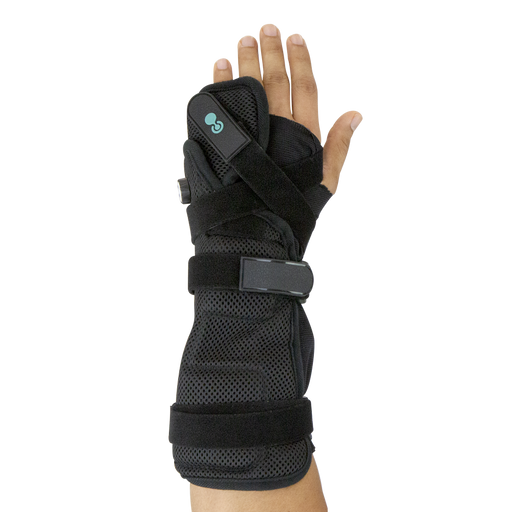
Product Description The Coretech 916 Wrist Brace provides compression and support during the healing process of common wrist injuries, alleviating ...
View full detailsHCPCS Code L3908
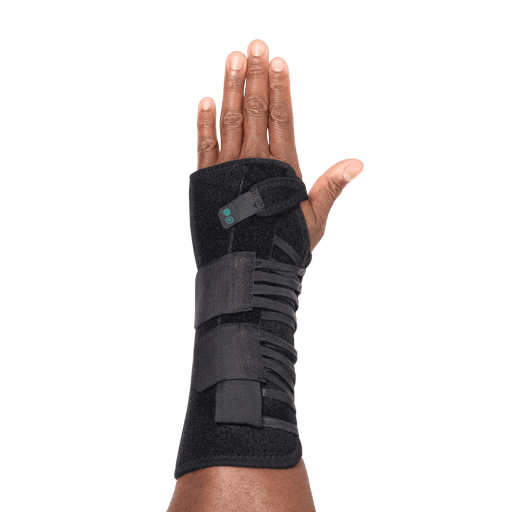
Product Description The Coretech Quick Lace Wrist Brace is a prefabricated wrist-hand orthosis designed to provide reliable stabilization and exten...
View full detailsWrist braces and wrist splints help position and support the wrist joint for immobilization, symptom management or controlled activity. This category is intended for healthcare professionals and providers who need orthopedic bracing solutions for evaluation, fitting, patient education and ongoing support.
They may support patients with carpal tunnel syndrome, wrist sprains, tendonitis, post-injury pain, repetitive strain, mild instability, post-operative wrist protocols or nighttime wrist positioning. These products may be used for acute injuries, post-operative recovery, chronic instability, degenerative conditions, pain management, protected mobility or functional support during activities of daily living. Common provider search terms include orthotic brace, orthopedic support, DME brace, prefabricated orthosis, custom-fit brace, immobilization brace and recovery support.
Selection considerations include volar or dorsal stays, neutral wrist positioning, compression level, removable splints, thumb-free versus thumb-including designs, strap adjustability, bilateral fit and patient dexterity requirements. Providers should consider patient anatomy, affected joint or spinal region, medial-lateral control, flexion-extension control, compression, rigid versus soft support, adjustability, skin tolerance, ease of application and compliance. Product selection should also align with the treating provider’s protocol and the patient’s functional goals.
Wrist orthosis HCPCS references may include L3908, L3916 or related wrist-hand orthosis codes depending on design, rigidity and fitting classification. Always verify the exact product details, payer requirements, diagnosis support, medical necessity and whether the item is classified as off-the-shelf or custom-fitted before assigning a billing code.
These braces are used by healthcare professionals, orthopedic practices, podiatry clinics, DME providers, chiropractors, rehab teams and clinical staff involved in patient bracing.
They may support neutral wrist positioning, reduced repetitive strain, carpal tunnel symptom management, soft-tissue rest and functional recovery.
Follow the product sizing guide, measure the indicated body region, confirm secure fit and reassess comfort, circulation, skin integrity and brace position after application.