APPLY FOR A PROFESSIONAL ACCOUNT
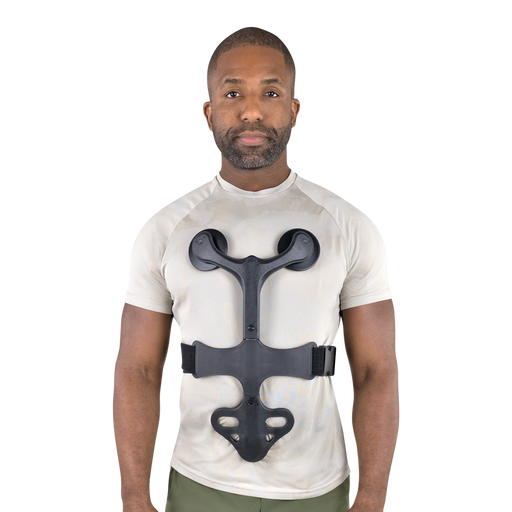
HCPCS Code L0472
Product Description The Coretech 472 C.A.S.H. Orthosis is designed to stabilize the spine and promote proper alignment. It is especially beneficial...
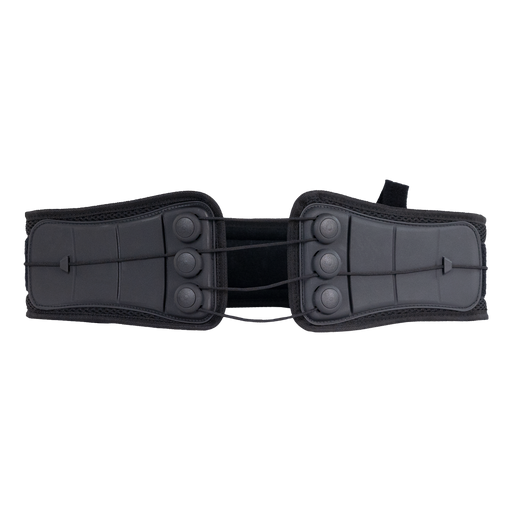
View full detailsHCPCS Code L0621
Product Description The Coretech 621 SI Belt is meticulously engineered to provide continuous support, thereby stabilizing and reinforcing the sacr...
View full detailsHCPCS Code L1006
Product Description The Coretech Scoliosis Brace is designed to relieve pain and enhance the quality of life for adult scoliosis patients. Meant to...
View full detailsHCPCS Code L0625
Product Description The Coretech Cross Support Back Brace is engineered to provide moderate compression and stabilizing support for the lower back....
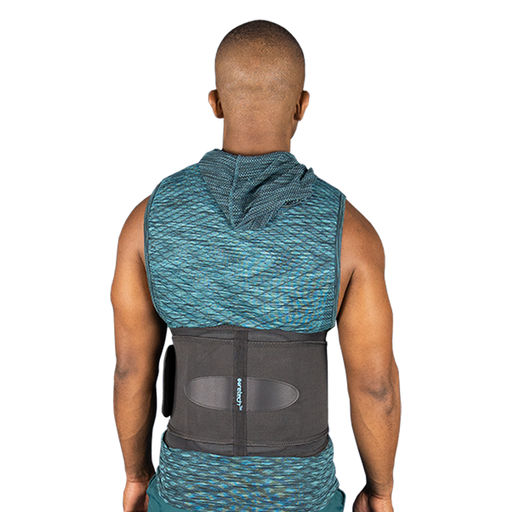
View full detailsHCPCS Code L0625
Product Description The Coretech 625 Back Brace has been specifically engineered to provide targeted support for individuals managing chronic lower...
View full detailsSpine support products include back braces and support orthoses used when a provider needs compression, postural cueing or controlled support without necessarily requiring the highest level of rigid immobilization. This category is intended for healthcare professionals and providers who need orthopedic bracing solutions for evaluation, fitting, patient education and ongoing support.
They may support patients with lumbar discomfort, muscle strain, mild instability, posture-related symptoms, work-related back stress, recovery from soft-tissue injury or conservative management of chronic back pain. These products may be used for acute injuries, post-operative recovery, chronic instability, degenerative conditions, pain management, protected mobility or functional support during activities of daily living. Common provider search terms include orthotic brace, orthopedic support, DME brace, prefabricated orthosis, custom-fit brace, immobilization brace and recovery support.
Selection considerations include compression level, brace height, posterior stays or panels, breathable materials, adjustability, patient comfort during sitting and walking, ease of donning and compatibility with daily activity. Providers should consider patient anatomy, affected joint or spinal region, medial-lateral control, flexion-extension control, compression, rigid versus soft support, adjustability, skin tolerance, ease of application and compliance. Product selection should also align with the treating provider’s protocol and the patient’s functional goals.
HCPCS applicability depends on product design, materials and function. Some back supports may include the L0472, L0621, L0625 and L1006 codes. Always verify the exact product details, payer requirements, diagnosis support, medical necessity and whether the item is classified as off-the-shelf or custom-fitted before assigning a billing code.
These braces are used by healthcare professionals, orthopedic practices, podiatry clinics, DME providers, chiropractors, rehab teams and clinical staff involved in patient bracing.
They may support posture awareness, lumbar compression, light-to-moderate stabilization, patient confidence during movement and conservative symptom management.
Follow the product sizing guide, measure the indicated body region, confirm secure fit and reassess comfort, circulation, skin integrity and brace position after application.